
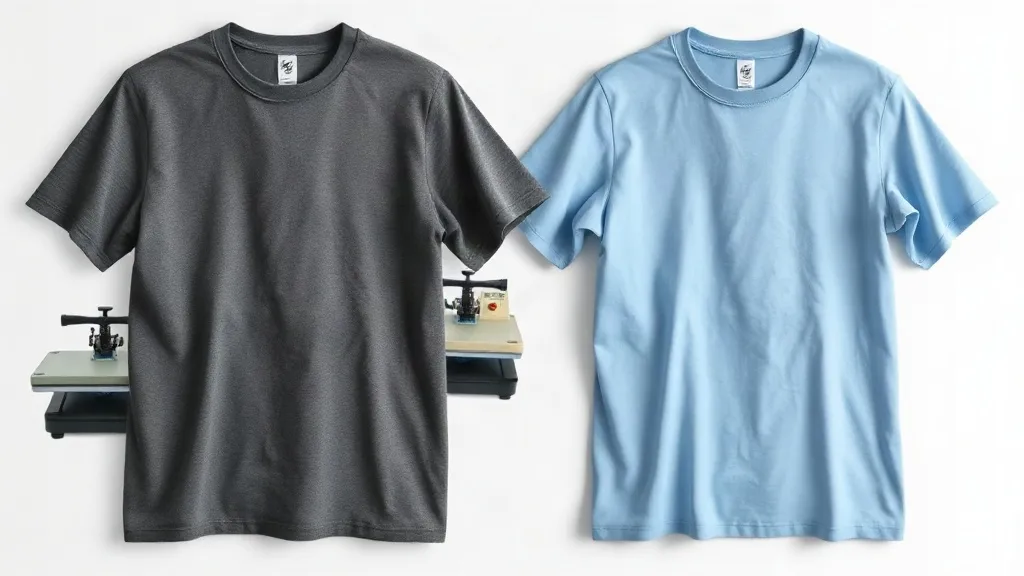
When you're building a custom apparel line, the blank you choose is just as important as the design you print on it. Two names that keep coming up in print shops and small brands are shaka wear and smart blanks. Both offer quality options, but they serve different needs and print differently. This guide breaks down what makes each one tick, so you can match the right blank to your project, your customers, and your bottom line.
The Rise of Quality Blanks in Custom Apparel
Not long ago, blank apparel was an afterthought. You picked whatever was cheapest and hoped the print held up. Today, blanks are part of the brand story. Customers feel the fabric, check the fit, and notice when a shirt twists after one wash. Printers have responded by seeking out blanks that are consistent, soft, and reliable. That's where shaka wear and smart blanks come in. They've earned a reputation for giving printers a dependable canvas without the premium price tag of designer blanks.
Shaka Wear: Streetwear Roots, Print-Ready Performance
shaka wear started as a go-to for streetwear brands that wanted heavyweight tees with a boxy, modern fit. Over time, it became a favorite among DTF printers because the fabric takes transfers beautifully. The cotton is typically combed and ringspun, which means a smooth surface that helps adhesive powders bond evenly. If you've ever printed on a cheap, fuzzy tee and watched the transfer crack after a few washes, you'll appreciate the difference.
Fabric and Fit
Most shaka wear tees are 100% cotton, with some styles blending in a bit of polyester for stretch. The weight usually falls in the 5.5 to 6.5 oz range, giving them a substantial feel that customers associate with quality. The fit tends to be relaxed and slightly boxy, which works well for streetwear and skate-inspired looks. If your design has large graphics or bold typography, a boxy fit gives you more real estate to work with.
Print Performance with DTF
DTF transfers adhere best to fabrics with a tight weave and minimal texture. Shaka wear blanks generally hit that sweet spot. The surface is smooth enough that you don't need excessive pressure or temperature to get a clean bond. In practice, most printers find that a standard 320°F for 15 seconds with medium pressure does the job. Always do a test press first, but you'll likely find shaka wear forgiving across different transfer types.
Best Use Cases
Because of its streetwear vibe and durable construction, shaka wear shines for:
- Heavyweight tees and hoodies for streetwear brands
- Merch for bands, skate shops, and urban events
- Oversized fits where drape and structure matter
- Projects that need a blank that feels premium without a luxury price
Smart Blanks: Consistent, Affordable, and Print-Friendly
smart blanks take a different approach. They focus on delivering reliable, everyday blanks that are easy to print and easy to sell. The line covers tees, hoodies, and more, with a focus on consistency from batch to batch. For print shops that run high volumes, that predictability is gold. You don't want to dial in your press settings for one batch and then find the next batch behaves differently.
Fabric and Fit
Smart blanks typically use a cotton or cotton-poly blend, with weights ranging from lightweight to midweight. The fit is more classic and retail-friendly, neither too boxy nor too slim. That makes them a safe choice for corporate merch, team uniforms, and promotional products where you need a fit that works for a wide range of body types. The fabric is soft out of the box, which customers appreciate.
Print Performance with DTF
DTF printing on smart blanks is straightforward. The fabric surface is consistent, so you can set your press and forget it. The main thing to watch is the polyester content: higher polyester blends can sometimes require slightly lower temperatures to avoid scorching or dye migration. But overall, smart blanks are designed to be workhorses. They handle both small runs and large orders without surprises.
Best Use Cases
Smart blanks are ideal for:
- Promotional apparel and corporate giveaways
- Team uniforms and event shirts
- High-volume orders where consistency is key
- Budget-conscious projects that still need decent quality
Head-to-Head Comparison
To make the choice easier, here's how the two stack up on key factors.
Fabric Weight and Hand Feel
Shaka wear leans heavier and has a more structured hand feel. Smart blanks are generally lighter and softer, with a more traditional retail feel. If your brand is about bold, durable streetwear, shaka wear has the edge. If you need an everyday tee that feels comfortable from day one, smart blanks may be the better fit.
Fit and Sizing
Shaka wear offers modern, often boxy fits that appeal to younger, fashion-forward customers. Smart blanks stick to classic fits that suit a broader audience. Consider your target market: a skate brand might prefer the former, while a corporate client will likely prefer the latter.
Print Compatibility
Both blanks are DTF-friendly, but they behave differently. Shaka wear often requires slightly more pressure to ensure the transfer wraps around the fabric texture, while smart blanks tend to be more forgiving with standard settings. Always run a test press on a sample from your batch.
Price and Value
Pricing fluctuates, but generally, smart blanks come in at a lower price point, making them attractive for high-volume orders. Shaka wear sits slightly higher but still offers strong value given its heavier weight and streetwear credibility. Think of it as an investment in perceived quality.
Durability and Washability
With proper DTF application, prints on both blanks hold up well. Shaka wear heavier cotton may show less shrinkage over time, while smart blanks blends can be more prone to slight shrinkage if not pre-shrunk. Always follow care instructions and test wash a sample before committing to a large order.
How to Choose the Right Blank for Your Project
Start by asking three questions: Who is wearing this? What is the design? What is the budget? If you're printing for a streetwear drop with large graphics and you want a premium feel, go with shaka wear. If you're producing 500 shirts for a company picnic and need a comfortable, affordable option, smart blanks is a smart choice. Many print shops keep both on hand to cover different client needs.
Practical Tips for Printing on Both Blanks
Regardless of which blank you choose, a few habits will improve your results:
- Pre-press the garment for 5-10 seconds to remove moisture and wrinkles.
- Use a heat press with consistent pressure; don't rely on a home iron.
- Peel transfers while warm or cold according to the transfer instructions.
- Wash test a sample after 24 hours to check adhesion and durability.
- Store blanks in a dry, dust-free area to prevent contamination.
Frequently Asked Questions
Is Shaka Wear good for DTF printing?
Yes, shaka wear is generally excellent for DTF. Its smooth, ringspun cotton surface allows for strong adhesion and vibrant colors. Just adjust your press settings based on the specific fabric weight and blend.
Can I use Smart Blanks for both DTF and screen printing?
Absolutely. Smart blanks are versatile and work well with DTF, screen printing, and vinyl. Their consistent fabric makes them a reliable choice across different decoration methods.
Which blank is more affordable for bulk orders?
Smart blanks typically offer a lower price per unit, especially at volume. However, always factor in print quality and customer perception; sometimes a slightly higher blank cost pays off in brand value.
Do Shaka Wear shirts shrink after washing?
Like most cotton tees, shaka wear may shrink slightly, especially if washed in hot water. Pre-shrunk styles are available, and following care instructions minimizes shrinkage.
Where can I buy Shaka Wear and Smart Blanks?
You can find both lines at reputable blank suppliers and online stores. For shaka wear and smart blanks, check out specialized blanks retailers that cater to printers.